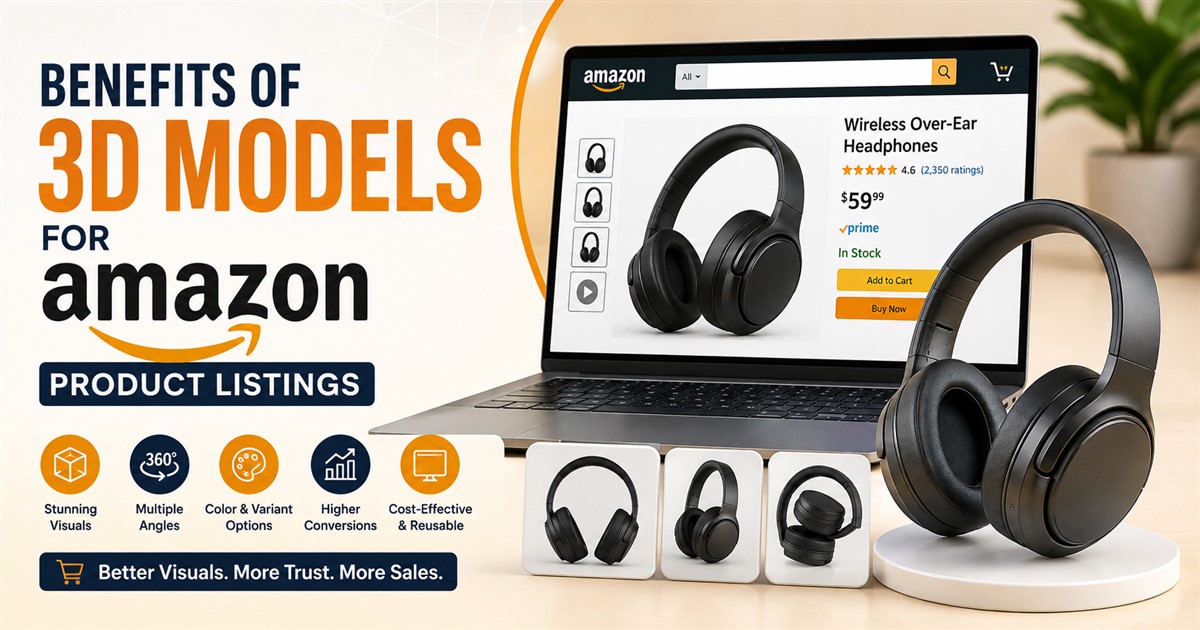

Amazon is one of the biggest online marketplaces in the world, and customers have thousands of products to choose from. Because shoppers cannot physically touch or inspect a product before buying it, product images play a major role in their buying decisions. This is where 3D models for Amazon product listings can make a big difference.
A high-quality 3D product model allows sellers to show their products from different angles, create realistic product images, produce engaging visuals, and build better shopping experiences. Instead of depending only on traditional photography, brands can use a digital 3D model to create many types of product content.
For sellers who want better product presentation, consistent branding, and more flexible visual content, 3D product modeling services can be a useful investment.
In this guide, we will explore the main benefits of using 3D models for Amazon product listings, how they can improve product presentation, where they can be used, and what sellers should consider before creating them.
What Are 3D Models for Amazon Product Listings?
A 3D product model is a digital representation of a physical product. It is created using specialized 3D modeling software and can reproduce important details such as the product’s shape, size, materials, colors, surface details, and design features.
Once a 3D model is created, it can be used to produce different visual assets. For example, sellers can create product renders, lifestyle images, animations, close-up views, and other marketing visuals without photographing the physical product every time.
A single well-made model can therefore become a valuable visual asset for an Amazon brand.
| Traditional Product Photography | 3D Product Modeling |
|---|---|
| Requires physical products and photography equipment | Uses a reusable digital product model |
| Changing colors or designs may require another shoot | Many visual changes can be made digitally |
| Limited by camera angles and shooting conditions | Allows flexible camera angles and views |
| New scenes may require additional photography | New digital scenes can be created from the same model |
Why Product Visuals Matter on Amazon
When people shop online, they cannot hold a product in their hands. They depend on product photos, descriptions, reviews, videos, and other information to decide whether a product is right for them.
This makes visual presentation especially important. A product listing with clear, attractive, and realistic visuals can communicate information faster than a long block of text.
3D models can help brands create visual content that explains the product clearly. They can show details that may be difficult to capture with traditional photography and can help maintain a consistent look across multiple product images.
Benefits of Using 3D Models for Amazon Product Listings
1. Create More Attractive Product Images
One of the biggest benefits of 3D modeling is the ability to create high-quality product renders. A professional 3D model can be placed in a carefully designed digital environment with suitable lighting, materials, shadows, and camera angles.
This allows sellers to create clean and professional visuals for their Amazon listings and other marketing channels.
Instead of arranging a physical photoshoot for every image, businesses can use the same digital model to create different product scenes.
2. Show Products From Multiple Angles
A single product photo may not show everything a customer needs to know. Important design details can sometimes be hidden because of the camera angle.
With a 3D model, sellers can create front, back, side, top, bottom, and close-up views. This can help customers understand the product’s design before making a purchase.
For products with complex shapes or useful features, multiple views can make the listing more informative.
3. Create Consistent Product Images
Brand consistency is important for businesses selling multiple products on Amazon. Product images should have a professional appearance and follow a similar visual style.
3D models can make this easier because sellers can use similar lighting setups, camera positions, backgrounds, and rendering styles across different products.
This can help create a more organized and recognizable product catalog.
4. Make Product Variations Easier to Visualize
Many Amazon products are available in different colors, finishes, sizes, or configurations. Creating separate physical photos for every variation can take time and increase production costs.
A 3D model can make digital variations easier to produce. For example, a product model can be adjusted to display different colors or materials while keeping the basic product geometry consistent.
This can be especially useful for brands with many product variations.
5. Reduce the Need for Repeated Photoshoots
Traditional photography requires physical products, photographers, locations, lighting equipment, and other resources. If a product changes, a new photoshoot may be necessary.
With a 3D model, many changes can be handled digitally. Sellers can create new views, environments, and promotional images without starting from scratch each time.
This does not mean 3D modeling completely replaces product photography in every situation. Instead, it gives businesses another flexible way to create product content.
6. Create Lifestyle Product Scenes
Lifestyle images help customers understand how a product may look in a real-world environment. For example, a furniture product can be shown inside a living room, while a kitchen product can be placed in a digital kitchen scene.
3D modeling makes it possible to create these environments digitally.
The same product model can be placed into different settings to create multiple marketing visuals. This can help sellers communicate the product’s use and appearance more effectively.
7. Produce Product Animations
A 3D model can also be used to create animations. Animation can show how a product works, how different parts move, or how a product is assembled.
This can be useful for products with mechanical components or special features that are difficult to explain with static images.
For brands interested in animated product content, 3D animation services can help turn a product model into an engaging visual presentation.
8. Highlight Small Product Details
Some products contain small details that may be difficult to show clearly in standard photographs. Examples include buttons, grooves, textures, hinges, connectors, patterns, and internal components.
A 3D model allows sellers to control the camera and lighting precisely. Close-up renders can therefore be created to highlight specific features.
These visuals can help shoppers understand what makes the product different from competing products.
9. Support Better Product Visualization
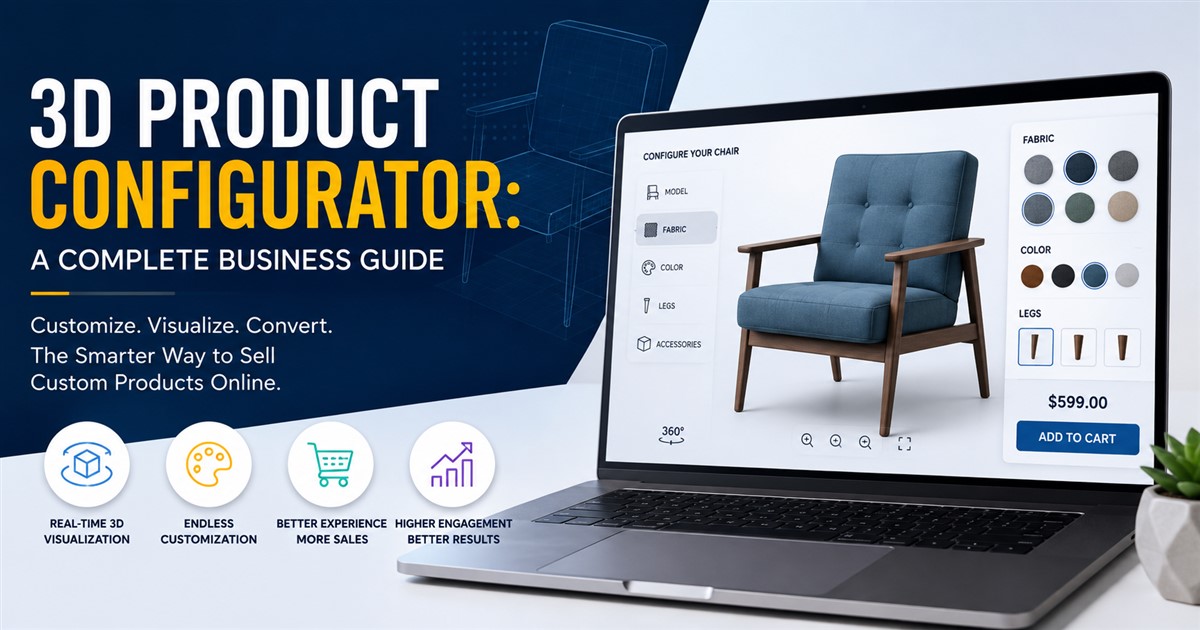
3D models can be used to create more than standard listing images. They can also support interactive product experiences such as 360-degree views and web-based product visualization.
For brands developing richer shopping experiences, a 3D product viewer for websites can allow customers to explore a product from different angles.
Although Amazon sellers must follow Amazon’s specific content and listing requirements, the same 3D asset can also be useful on a brand’s own website, social media, advertisements, and other marketing channels.
10. Reuse One Model Across Multiple Marketing Channels
A well-built 3D product model can become a reusable business asset.
For example, the same model can potentially be used to create:
- Product listing images
- Marketing banners
- Social media graphics
- Product animations
- Website visuals
- Digital advertisements
- Instructional graphics
- Product presentations
- Interactive product experiences
This makes 3D modeling useful beyond Amazon. A single accurate model can support a brand’s visual marketing strategy across multiple platforms.
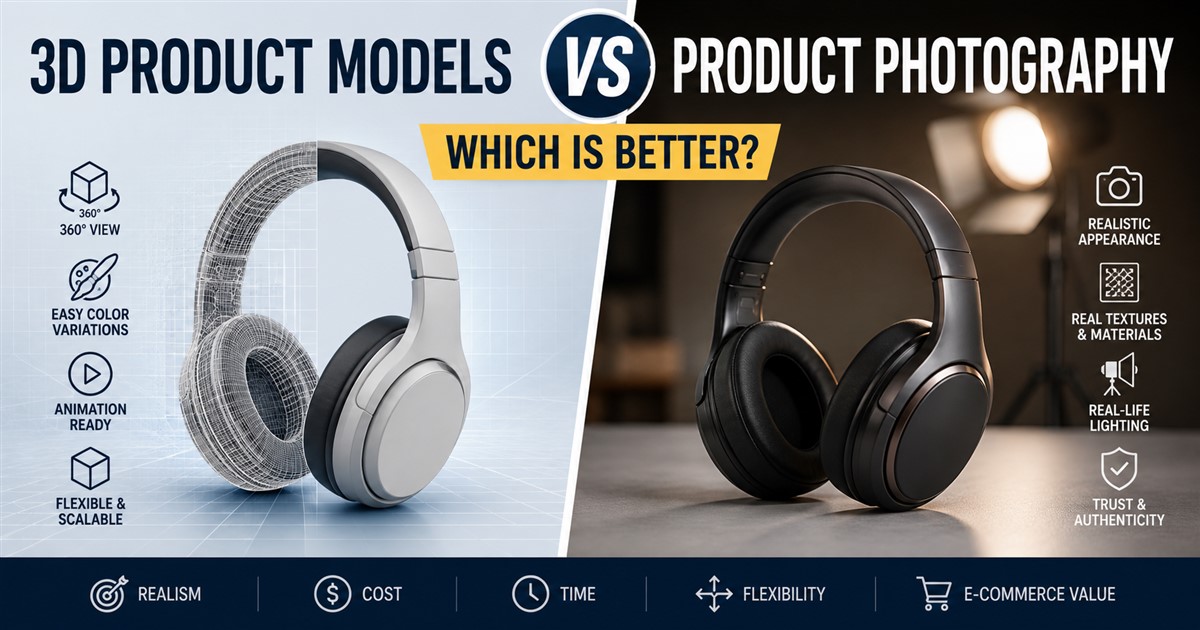
3D Models vs. Traditional Product Photography
Both 3D modeling and product photography have advantages. The best option depends on the product, budget, visual requirements, and marketing goals.
| Factor | 3D Modeling | Product Photography |
|---|---|---|
| Physical product required | Not always required for digital scene creation | Usually required |
| Camera flexibility | Very high | Depends on the photoshoot |
| Color variations | Easy to create digitally | May require additional photography |
| Lifestyle scenes | Can be digitally created | Requires physical setup or location |
| Animations | Can be created from the model | Requires separate production |
| Reuse potential | High | Depends on the original photos |
For some businesses, the best strategy may be to combine photography and 3D modeling. Photography can provide authentic product images, while 3D models can provide additional views, variations, animations, and marketing content.
How 3D Models Can Help Amazon Sellers
3D models can support sellers at different stages of their product marketing process. Before creating listing visuals, a digital model can help the team plan how the product should be presented.
After the model is complete, it can be used to create multiple images and marketing assets. If the product design changes later, the model can also be updated and reused.
This flexibility can be valuable for brands that regularly launch new products or update existing product lines.
Important Things to Consider Before Creating a 3D Model
Not every 3D model has the same quality. For Amazon product content, accuracy and visual quality are important.
Before starting a project, sellers should provide clear product information. Useful references may include product photographs, CAD files, measurements, sketches, technical drawings, material information, and color references.
It is also important to define how the model will be used. A model created for a simple product render may have different requirements from one designed for animation or an interactive viewer.
If you are comparing different providers, it can help to review how to choose a 3D modeling service provider before making a decision.
What Types of Amazon Products Can Use 3D Models?
Almost any physical product can potentially be represented as a 3D model. However, some categories can benefit particularly well from detailed digital visualization.
| Product Category | Possible 3D Use |
|---|---|
| Furniture | Lifestyle scenes, multiple angles, materials and color variations |
| Electronics | Feature views, close-ups, product renders and animations |
| Kitchen Products | Lifestyle environments and feature demonstrations |
| Home Decor | Room scenes, multiple finishes and product renders |
| Tools | Detailed views and demonstrations of product features |
| Toys | Character views, product renders and promotional animations |
| Fashion Accessories | Close-ups, material details and multiple viewing angles |
| Industrial Products | Technical views, components and product demonstrations |
How to Get Started With 3D Product Modeling
The first step is to collect the information needed to accurately recreate the product. This may include dimensions, photographs, CAD drawings, sketches, and other reference files.
The 3D artist then creates the basic shape and develops the model based on the supplied information. After the geometry is approved, materials, textures, colors, and other details can be added.
Once the model is complete, test renders can be created. The seller can review these visuals and request changes before the final assets are delivered.
A clear process can help reduce mistakes and keep the project moving efficiently. You can learn more about the typical 3D modeling project workflow to understand the main stages involved.
Why Accuracy Matters
A 3D model should represent the real product as closely as possible. Incorrect proportions, colors, materials, or product features can create misleading visuals.
Accuracy is especially important when the model is being used to explain product dimensions, components, functions, or design features.
Sellers should therefore provide accurate reference information and review the model carefully before using the final visuals in marketing campaigns.
Can 3D Models Replace Amazon Product Photos?
Not necessarily. Whether a 3D render can be used in a particular Amazon listing depends on Amazon’s current image and content requirements and the type of visual being created.
The bigger benefit is that 3D modeling gives sellers another way to produce professional product visuals. It can complement traditional photography and provide assets that photography alone may not easily produce.
For a deeper comparison, see this guide on 3D product models vs. product photography.
Frequently Asked Questions
Are 3D models useful for Amazon sellers?
Yes. 3D models can help sellers create product renders, different viewing angles, lifestyle scenes, animations, close-up visuals, and other marketing assets. They can also be reused across multiple marketing channels.
Can one 3D model create multiple product images?
Yes. A single 3D model can be rendered from different camera angles, lighting setups, environments, and distances. This makes it possible to create multiple visual assets from one digital model.
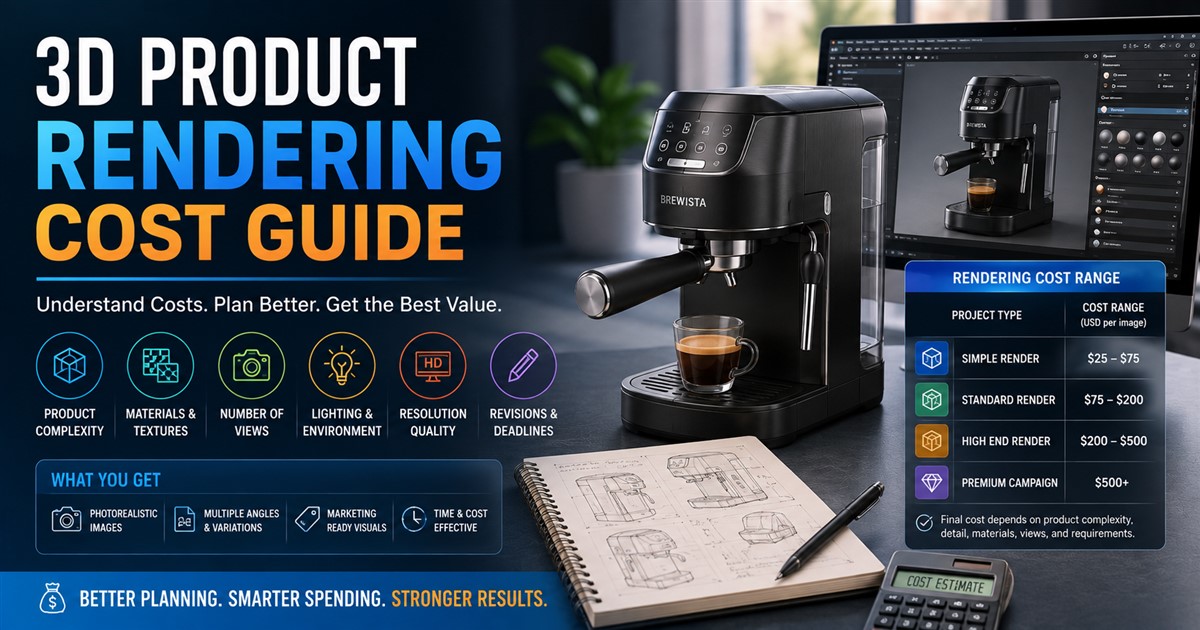
Are 3D product models expensive?
The cost depends on factors such as product complexity, level of detail, materials, textures, modeling time, revisions, and the required output. Simple products generally require less work than highly detailed products. You can learn more about 3D modeling pricing factors before requesting a quote.
Can 3D models show different product colors?
Yes. When a model is properly prepared, different materials and colors can often be applied digitally. This can help sellers visualize product variations without creating a completely new model for every color.
Can a 3D model be used for product animation?
Yes. A suitable 3D model can be prepared for animation to demonstrate product features, movement, assembly, or operation. The exact requirements depend on the type of animation needed.
What files are needed to create a 3D product model?
Depending on the project, useful references can include photographs, measurements, sketches, CAD files, technical drawings, product samples, and material or color references. More accurate reference information can make the modeling process easier.
Can Amazon sellers use 3D models outside Amazon?
Yes. A 3D product model can potentially be used for websites, advertisements, social media, presentations, animations, product configurators, and other marketing applications. This makes the model a reusable digital asset.
Final Thoughts
3D models for Amazon product listings can give sellers more flexibility when creating product visuals. They make it possible to show products from multiple angles, create consistent images, demonstrate features, visualize variations, and build lifestyle scenes without depending entirely on repeated photoshoots.
The biggest advantage is reusability. Once a high-quality product model has been created, it can support many different types of visual content. This can make 3D modeling valuable not only for Amazon listings but also for broader e-commerce and digital marketing campaigns.
For brands selling products online, the goal should not simply be to make images look attractive. The visuals should also provide useful product information and help shoppers understand what they are considering before making a purchase.
If you need professional 3D product assets for your Amazon business, you can contact 3D Modeling Service to discuss your product, reference files, modeling requirements, and desired deliverables.