
When selling a home, buyers want to understand what the property could look like when it is fully furnished and ready to live in. An empty room can make that difficult. This is why both virtual staging and traditional home staging have become popular ways to improve property listings and attract more buyers.
Although they have the same basic goal, virtual staging and traditional staging work in very different ways. Traditional staging uses real furniture, decorations, lighting, and other physical items inside a property. Virtual staging uses digital technology to add furniture and interior designs to photographs or 3D visuals.
So, which option is better? The answer depends on the property, marketing budget, target buyers, listing strategy, and the type of presentation you need. This guide compares virtual staging and traditional home staging, including their costs, benefits, limitations, and best uses.
What Is Virtual Staging?
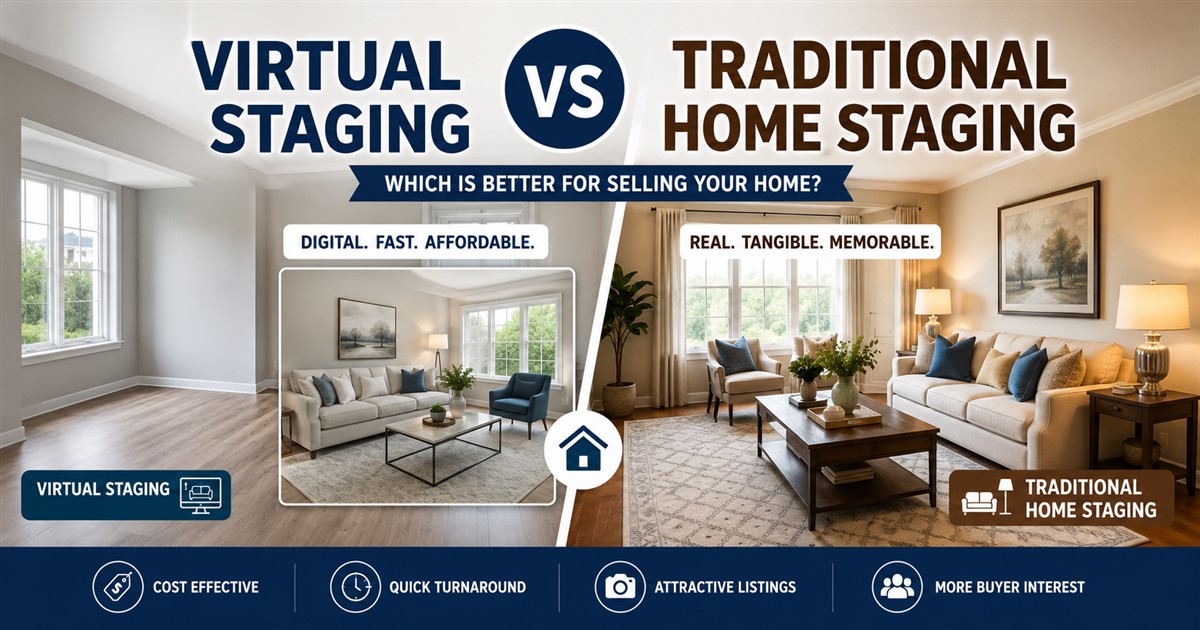
Virtual staging is the process of digitally adding furniture, decorations, lighting effects, rugs, artwork, and other interior elements to photos of an empty or unfinished property. Instead of moving physical furniture into the home, a designer uses specialized software to create a realistic furnished appearance.
For example, an empty living room can be digitally furnished with a sofa, coffee table, television, artwork, plants, and lighting. The finished image can then be used on property listing websites, social media, brochures, advertisements, and real estate websites.
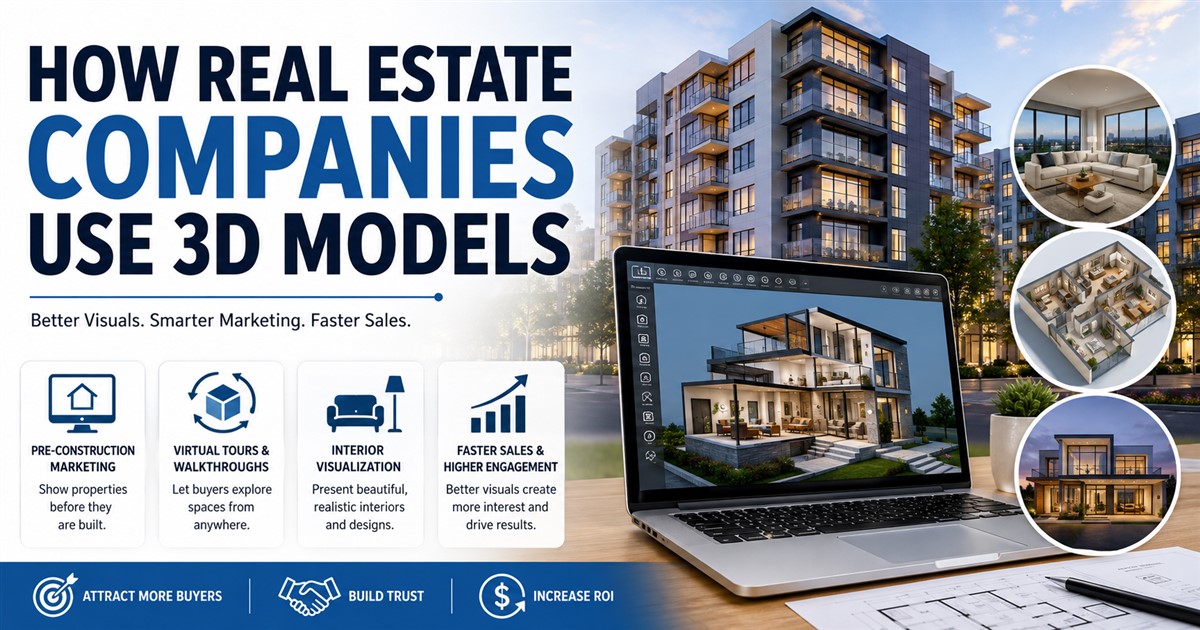
Virtual staging can also be combined with 3D walkthroughs for real estate marketing when a property needs a more interactive presentation. Instead of showing buyers only static images, a 3D experience can help them understand the layout and flow of the space.
What Is Traditional Home Staging?
Traditional home staging involves physically furnishing and decorating a property before it is photographed or shown to potential buyers. A staging company may bring sofas, beds, dining tables, lamps, artwork, curtains, plants, rugs, and other decorative items into the home.
The goal is to create an attractive environment that helps buyers imagine themselves living in the property. A professional stager may also rearrange existing furniture, remove unnecessary items, improve room layouts, and recommend small changes that make the home more appealing.
Because buyers can physically walk through a traditionally staged property, this method can be especially useful for open houses and in-person viewings.
Virtual Staging vs Traditional Home Staging: Quick Comparison
| Factor | Virtual Staging | Traditional Staging |
|---|---|---|
| Furniture | Digitally added | Physically placed |
| Upfront cost | Usually lower | Usually higher |
| Physical viewing | Not available in the actual property | Available |
| Speed | Can be completed quickly | Requires furniture delivery and setup |
| Design flexibility | Very high | Limited by available furniture |
| Storage and moving | No physical storage required | Furniture must be transported and stored |
| Best for online listings | Excellent | Excellent when professional photos are taken |
| Best for open houses | Limited | Excellent |
Cost Differences Between Virtual and Traditional Staging
Cost is one of the biggest differences between the two approaches. Traditional staging can involve furniture rental, transportation, setup, removal, storage, and professional staging services. The final price can increase when a large property needs several rooms furnished.
Virtual staging normally has fewer physical expenses. A designer starts with property photographs and creates digital furniture and decorations. Several design concepts can also be created without physically changing the property.
However, virtual staging is not always free or extremely cheap. High-quality work requires skilled designers, realistic lighting, accurate perspective, and attention to architectural details. Poor digital staging can look unrealistic and may reduce the quality of a listing.
If you are also planning architectural visuals, understanding 3D architectural visualization costs can help you compare the budget for more advanced property presentation work.
Benefits of Virtual Staging
1. Lower Physical Costs
One of the main advantages of virtual staging is that there is no need to transport and rent physical furniture. This can make it a practical option for vacant properties, investment properties, apartments, and homes that need to be marketed quickly.
2. Faster Property Marketing
Traditional staging may require scheduling, furniture delivery, room preparation, and removal. Virtual staging can often be completed from property photographs without waiting for physical furniture to arrive.
3. More Design Options
Digital staging gives designers much more freedom. The same room can be shown with modern, traditional, minimalist, luxury, Scandinavian, or other interior styles.
This is useful when the target audience has a particular design preference. A small apartment, for example, may be presented with a clean and modern design that helps buyers understand how the available space could be used.
4. Useful for Empty Properties
Empty rooms can sometimes look smaller than they actually are in photographs. Digital furniture gives viewers a reference for scale and helps them understand the potential layout of the space.
5. Easy to Create Multiple Concepts
A single room can be presented in different styles without physically changing anything. This makes virtual staging useful for testing different marketing ideas.
Limitations of Virtual Staging
Virtual staging also has some limitations. The biggest issue is that the furniture shown in the photograph is not physically present in the property. A buyer visiting the property will still see the empty room.
Another concern is realism. If the furniture has incorrect proportions, unrealistic shadows, poor perspective, or unnatural lighting, viewers may immediately notice that the image has been digitally edited.
Real estate marketers should also be transparent when images have been virtually staged. Buyers should not be given the impression that digital furniture or decorative elements are included with the property.
Benefits of Traditional Home Staging
1. Buyers Can Experience the Space
The biggest advantage of traditional staging is that the furniture is actually inside the home. Buyers can walk through the rooms and see how the space feels in person.
2. Better for Open Houses
A staged home can create a more welcoming environment during an open house. Buyers can sit on furniture, walk around furnished rooms, and get a stronger sense of how the property could work for everyday life.
3. Real Furniture Provides Accurate Scale
Physical furniture gives buyers a real reference for room size. They can see whether a sofa, bed, dining table, or other item fits comfortably within the available space.
4. Strong Physical Presentation
Traditional staging can appeal to buyers who prefer seeing and experiencing a home rather than relying mainly on photographs.
Limitations of Traditional Home Staging
The main disadvantage is cost. Furniture rental, transportation, setup, removal, and storage can add to the overall marketing budget.
Traditional staging can also take more time to organize. The property may need to be prepared before furniture arrives, and the staging company must coordinate access to the property.
Design flexibility can also be lower. The available furniture collection may limit the number of styles that can be created.
Which Option Is Better for Online Real Estate Listings?
For online listings, virtual staging can be especially effective because buyers often see property photographs before deciding whether to schedule a viewing. Attractive images can make an empty property easier to understand and more visually appealing.
Traditional staging can also produce excellent listing photographs. In fact, professionally staged homes can look very natural because the furniture, lighting, and room details are physically present.
The right choice depends on the property’s marketing goals. If the main challenge is making an empty property look attractive online, virtual staging may offer a practical solution. If the property is receiving frequent physical visits, traditional staging may provide more value.
Virtual Staging vs Traditional Staging for Different Properties
| Property Type | Potentially Better Option | Why |
|---|---|---|
| Vacant apartment | Virtual staging | Quickly shows how empty rooms could be furnished |
| Luxury home | Either or both | Depends on the marketing strategy and buyer expectations |
| Occupied home | Traditional or virtual | Depends on whether existing furniture is suitable for photography |
| New development | Virtual staging | Useful when units are unfinished or not yet furnished |
| Open-house property | Traditional staging | Buyers can physically experience the furnished rooms |
| Property marketed mainly online | Virtual staging | Strong focus on listing images and digital marketing |
Can You Use Both Methods?
Yes. Real estate professionals do not always need to choose only one method. A combined approach can sometimes produce the strongest marketing results.
For example, a property could be physically staged in the main living areas while virtual staging is used to show alternative furniture layouts or unfinished rooms. This approach can give buyers both a real-world experience and a better understanding of the property’s potential.
Digital visualization can also be useful when a property is still under development. Instead of waiting until construction and furnishing are complete, marketers can create visuals that show potential interiors before the final space exists.
How 3D Visualization Fits Into Property Marketing
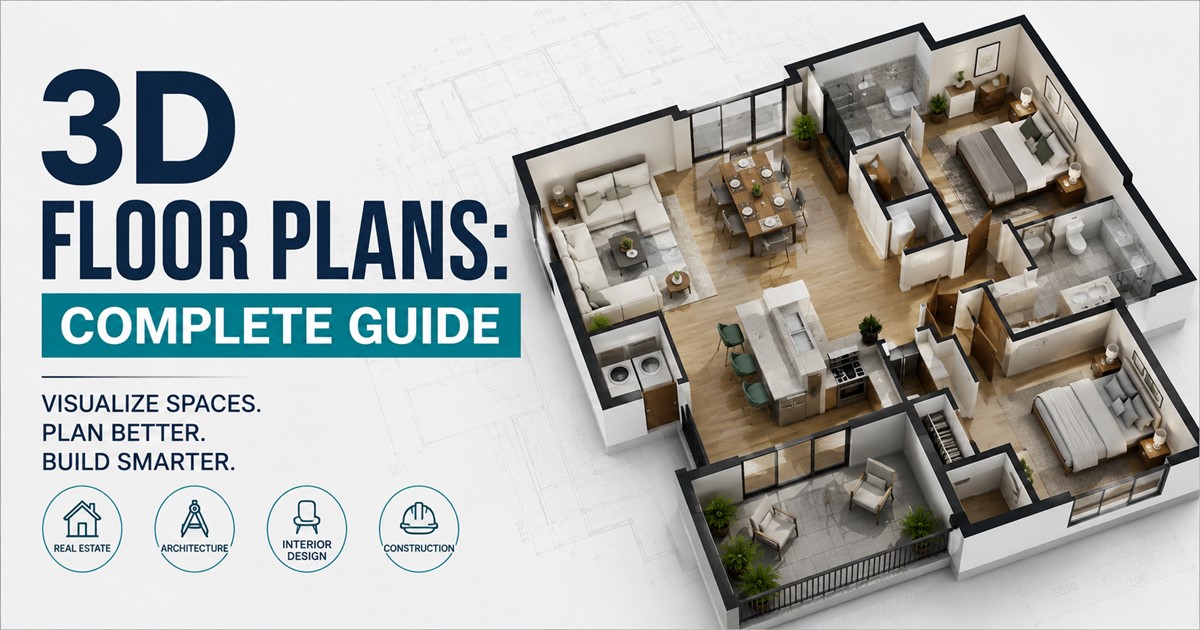
Virtual staging is only one part of the broader digital visualization process. Modern real estate marketing can also use 3D models, photorealistic renders, virtual tours, walkthroughs, floor plans, and interactive experiences.
For example, a developer can create a digital model of a future apartment and show different furniture layouts. Buyers can then explore the proposed design before construction is completed.
For businesses that need detailed digital property or architectural assets, architectural 3D modeling can provide the foundation for high-quality renders, walkthroughs, and other visualization materials.
What Makes Virtual Staging Look Realistic?
Good virtual staging should match the original photograph rather than simply placing furniture on top of it. Several details are important:
- Correct perspective: Furniture should match the camera angle.
- Accurate scale: Chairs, sofas, beds, and tables should have realistic proportions.
- Natural shadows: Digital objects need lighting and shadows that match the room.
- Consistent lighting: Furniture should appear to receive light from the same sources as the original room.
- Suitable design: The furniture style should match the type of property and target audience.
- Clean editing: Edges and object placement should look natural.
These details can make the difference between professional virtual staging and an image that looks obviously edited.
How to Choose Between Virtual and Traditional Staging
Start by considering how buyers will interact with the property. If most buyers will first discover the property through online listings, strong digital images are important. Virtual staging can help make empty rooms more understandable.
If buyers are expected to visit the property regularly, physical staging may be more useful because the furniture is present during the viewing.
Budget should also be considered. Traditional staging generally involves more physical logistics, while virtual staging focuses more on digital design. The size of the property and number of rooms can also influence the decision.
Finally, consider your long-term marketing needs. Digital assets can be reused across websites, social media campaigns, advertisements, brochures, and other marketing channels.
Frequently Asked Questions
Is virtual staging cheaper than traditional home staging?
Virtual staging is often less expensive because it does not require physical furniture rental, delivery, setup, or removal. However, the final cost depends on the number of rooms, image quality, design complexity, and provider.
Does virtual staging look realistic?
High-quality virtual staging can look very realistic when perspective, lighting, shadows, scale, and furniture placement are handled correctly. The quality depends heavily on the designer and the digital assets used.
Can buyers tell if a home is virtually staged?
Sometimes they can, especially when the editing is poor. Professional virtual staging should look natural, but property listings should clearly indicate when furniture or design elements have been digitally added.
Is virtual staging good for empty homes?
Yes. Empty properties are one of the strongest use cases for virtual staging because digital furniture can help buyers understand room size, layout, and possible interior arrangements.
Can virtual and traditional staging be used together?
Yes. A property can use physical staging for important viewing areas and virtual staging for additional design concepts or rooms that are difficult to furnish. Using both methods can create a flexible marketing strategy.
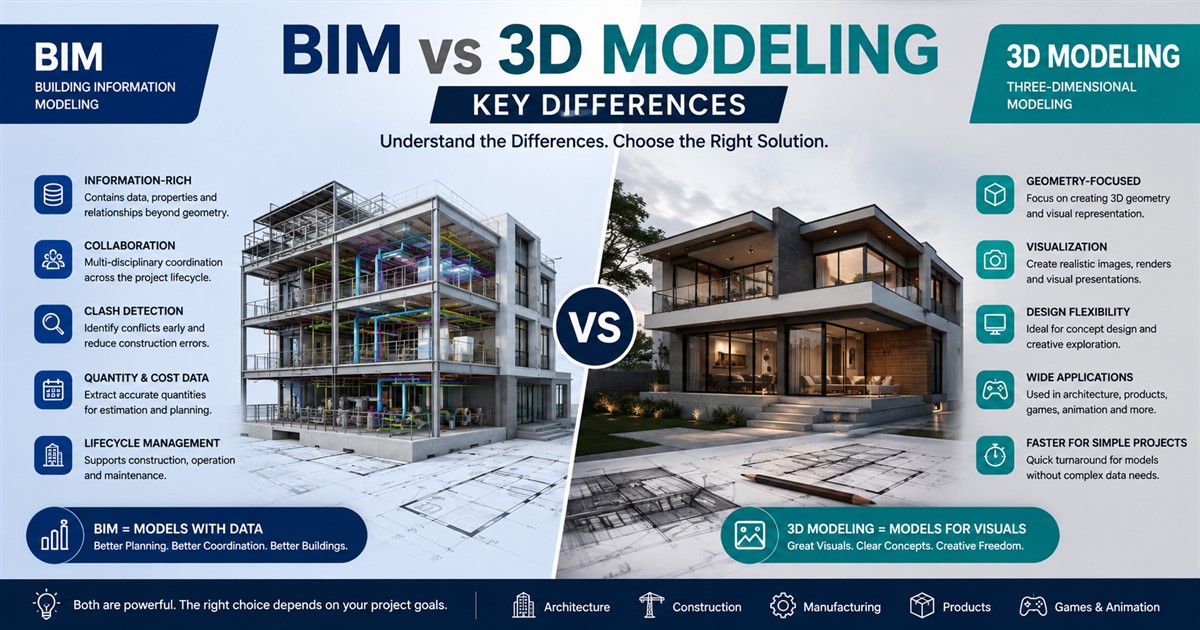
Is virtual staging the same as 3D modeling?
No. Virtual staging usually involves digitally furnishing photographs or visual scenes. 3D modeling involves creating three-dimensional digital objects or environments. A 3D model can, however, be used as part of a larger real estate visualization workflow.
Final Thoughts
Virtual staging and traditional home staging both help buyers understand the potential of a property, but they serve different purposes. Virtual staging is flexible, fast, and well suited to online property marketing. Traditional staging provides a physical experience that buyers can see and interact with during property visits.
For vacant homes, new developments, and listings that depend heavily on online photography, virtual staging can be a practical choice. For properties where open houses and physical viewings are important, traditional staging may offer stronger results.
In many cases, the best strategy is not to treat the two methods as competitors. Instead, real estate professionals can use digital visualization and physical staging together to create a stronger buyer experience.
If you need professional digital assets for a property, product, or architectural project, you can contact a 3D modeling service provider to discuss your project requirements, preferred style, and deliverables.